
RFP CHECKLIST · NATIONAL PAINTING VENDORS
Questions to Ask a National Painting Contractor Before You Sign
Before you sign with a national painting contractor, find out who actually does the work in each market, who manages it, how one standard is held across every site, how each site is verified and reported, and how scope and price are fixed before the first site. Below are 16 questions to put in your RFP, why each matters and what a good answer sounds like, followed by our own answers.
The Five Questions That Matter Most
- Who paints our sites? Employees, subcontractors or franchise owners, and who manages them in each market.
- Who is accountable? One contract and one program contact for every site, or a different company per market.
- How is one standard held? A written spec, sample sign-off and a pilot site before scaling.
- How will we know each site is done right? Before-and-after photos and status for every site.
- How are scope and price set? Per-site scope and price agreed before the first site, and a clear process when a site differs.
The Checklist at a Glance
Copy these into your RFP or vendor scorecard. Details for each follow below.
| # | Question | Area |
|---|---|---|
| 1 | In which states have you completed work, and can you show records? | Coverage and capacity |
| 2 | How many sites can you complete per week, across several markets at once? | Coverage and capacity |
| 3 | Have you run a program like ours, and can you show the results? | Coverage and capacity |
| 4 | Do you self-perform or subcontract, and who manages crews in each market? | Who does the work |
| 5 | Will we have one contract, one point of contact and one invoice format? | Who does the work |
| 6 | If you are a franchise network, is our agreement with you or with each local owner? | Who does the work |
| 7 | How will you keep colors and finishes the same in every market? | Consistency and quality |
| 8 | Will you complete a pilot site before the rollout scales? | Consistency and quality |
| 9 | How is each site checked against the standard before you call it complete? | Consistency and quality |
| 10 | Can you work after hours or overnight so our sites stay open? | Scheduling and operations |
| 11 | How do you coordinate with our sign vendor, general contractor and site managers? | Scheduling and operations |
| 12 | What will we see for each site, and how often? | Reporting |
| 13 | How do you price the program, and when is per-site scope and price agreed? | Pricing and scope |
| 14 | What happens when a site does not match the agreed scope? | Pricing and scope |
| 15 | Can you provide certificates of insurance that meet our requirements? | Insurance and compliance |
| 16 | What workmanship warranty do you provide, and how are claims handled? | Insurance and compliance |
Coverage and capacity
Ask where the contractor has actually completed work and how many sites it can finish at once, not where it says it can go.
1. In which states have you completed work, and can you show records?
Why it matters: “Nationwide” on a website is easy to claim. Completed work in your states shows the contractor can staff, schedule and manage sites there.
A good answer sounds like: a count of completed projects, the states they were in, and an “as of” date, backed by project records.
2. How many sites can you complete per week, across several markets at once?
Why it matters: a rollout timeline depends on how many sites run in parallel. A contractor that works one market at a time will stretch your schedule.
A good answer sounds like: real peak numbers from a past program (sites per week or per night) and a proposed schedule for your site list.
3. Have you run a program like ours, and can you show the results?
Why it matters: a 200-site rebrand is a different job from a single large building. You want evidence of multi-location programs in your industry or at your scale.
A good answer sounds like: a case study with site counts, timeline and scope, and repeat programs for the same brands.
Who does the work and who manages it
Most national painting work is done by local crews; what differs is who manages them, to what standard, and who is accountable to you.
4. Do you self-perform or subcontract, and who manages crews in each market?
Why it matters: few contractors keep their own painters in every state. Local crews are normal. What matters is whether one team manages every site to one standard, or each market runs on its own.
A good answer sounds like: a plain description of who paints and who manages, for example “our program team manages every site; partner crews in each market do the work to our program standard.”
5. Will we have one contract, one point of contact and one invoice format?
Why it matters: separate contracts, contacts and invoice formats per market multiply your admin and make it hard to compare sites.
A good answer sounds like: one master agreement, a named program manager, and one consistent invoice and reporting format across every site.
6. If you are a franchise network, is our agreement with you or with each local owner?
Why it matters: many national painting brands are franchise networks whose locations are independently owned; their own sites note that services can vary by location. That affects who is accountable when a market falls behind.
A good answer sounds like: a clear statement of who signs, who answers for every site, and how one standard is enforced across owners. See one national team vs. a franchise network.
Consistency and quality
Ask how the contractor holds one look across every market and how it proves each site meets it.
7. How will you keep colors and finishes the same in every market?
Why it matters: brand drift comes from local substitutions in paint brand, formula and sheen.
A good answer sounds like: one written color standard with products, formulas and sheens per surface, physical samples you sign off, and no substitutions without your approval. Our brand color consistency guide covers what to require.
8. Will you complete a pilot site before the rollout scales?
Why it matters: a pilot catches scope gaps, color issues and scheduling problems on one or two sites instead of fifty.
A good answer sounds like: “yes, one or two pilot sites, reviewed and approved by you, become the reference for every site after.”
9. How is each site checked against the standard before you call it complete?
Why it matters: on a large program you cannot visit every site. You need evidence for each one.
A good answer sounds like: before-and-after photos for every site, reviewed by the program team against the approved standard, with a punch list closed out before the site is marked complete.
Scheduling and operations
Ask whether the contractor can work around your business hours and the other trades on your program.
10. Can you work after hours or overnight so our sites stay open?
Why it matters: closing stores, restaurants or branches to paint them costs sales and service.
A good answer sounds like: a record of after-hours and overnight programs, with sites handed back ready to open.
11. How do you coordinate with our sign vendor, general contractor and site managers?
Why it matters: in a rebrand, paint often has to land before or after signs, awnings or remodel work. Poor sequencing means repeat visits.
A good answer sounds like: one scheduler working to your program calendar, with site managers told ahead of each visit.
Reporting
Ask what you will see for every site, and how soon after the work.
12. What will we see for each site, and how often?
Why it matters: program managers need to know which sites are scheduled, in progress and complete without chasing each market.
A good answer sounds like: site-by-site status, before-and-after photos and sign-off for every location, shared on a regular schedule your team agrees.
Pricing and scope
Ask how the price is built and when it is fixed, so your budget holds across the program.
13. How do you price the program, and when is per-site scope and price agreed?
Why it matters: open-ended pricing makes a multi-site budget hard to hold. Per-site pricing lets you compare sites and track spend.
A good answer sounds like: scope and price for each site, or each site type, agreed before the first site, based on your site list, photos or site walks.
14. What happens when a site does not match the agreed scope?
Why it matters: real sites differ from drawings. You want differences raised before extra work, not found on an invoice.
A good answer sounds like: the difference is flagged to you with photos, and any extra work is agreed with you before it is done.
Insurance and compliance
Ask for proof of insurance that meets your requirements before work starts.
15. Can you provide certificates of insurance that meet our requirements?
Why it matters: your landlords, property managers and risk team will each have insurance requirements for anyone working on site.
A good answer sounds like: “yes, send us your requirements and we will send certificates of insurance for your review,” before the first site is scheduled.
NPP’s Answers to These Questions
This section is National Painting Partners answering its own checklist. NPP project records as of November 2026.
| # | Question | NPP’s answer |
|---|---|---|
| 1 | Where have you completed work? | We work in all 50 states. 1,740 projects completed since March 2024, including 219 bank and credit union branches in 24 states and DC. |
| 2 | How many sites at once? | On one retail program we completed 253 stores in about 14 weeks, all overnight, with up to 10 stores in one night. On a brand conversion, up to 41 store starts in one week. |
| 3 | Programs like ours? | Rebrands, brand conversions, bank branches, retail, restaurants and convenience stores. 23 brands have had 8 or more sites completed by NPP. See the retail rollout and dual-brand conversion case studies. |
| 4 | Self-perform or subcontract? | One NPP program team (program manager, coordinators, quality control and scheduling) runs every site. The painting is done by NPP’s partner crews in each market, held to one program standard and one spec. |
| 5 | One contract, one contact? | Yes. One contract, one program contact and one invoice format for every site. |
| 6 | Franchise network? | Your agreement is with NPP, which answers for every site through one program team. |
| 7 | Consistent colors? | One color standard per program, with physical samples signed off by you before the first site. |
| 8 | Pilot sites? | Yes. One or two pilot sites, approved by you, before the rollout scales. |
| 9 | Site verification? | Before-and-after photos for every site, reviewed by the program team against the approved standard. |
| 10 | After hours? | Yes. After-hours and overnight scheduling so stores and branches stay open. On our largest retail program, 253 of 253 stores were done overnight. |
| 11 | Coordination? | We schedule to your program calendar, around sign installs, remodels and store events. |
| 12 | Reporting? | Site-by-site status and before-and-after photos for every location. |
| 13 | Pricing and scope? | Scope and per-site price are agreed with you before the first site, based on your site list, photos or site walks. |
| 14 | Sites that differ? | Differences from the agreed scope are raised with you, with photos, and extra work is agreed with you before it is done. |
| 15 | Insurance? | NPP provides certificates of insurance on request; send your requirements with the RFP. |
| 16 | Warranty? | A one-year workmanship warranty on the painting we perform, starting when each site is completed and signed off. Paint product defects fall under the manufacturer’s warranty. |
Program numbers from NPP project records as of November 2026.
What NPP’s per-site prices look like
On completed work, NPP’s bank branch repaints start from about $1,100 per branch, and most fall in the $1,100 to $3,400 range. Interior and exterior store refreshes start from about $2,900 per store, and most fall in the $2,900 to $6,300 range. Full exterior brand conversions start from about $12,000, and most fall in the $12,000 to $23,000 range. These are NPP’s per-site prices on completed work. Your price depends on scope, size, access and hours, and a site walk or photos firm it up.
More on how we run programs: national rollouts, rebrand painting programs, bank branch conversions and how we deliver.
Hiring a National Painting Contractor: Common Questions
Does a national painting contractor self-perform or subcontract?
Most use local crews, because few contractors keep their own painters in every state. The real question is who manages those crews and to what standard. A strong answer names one program team that runs every site and holds every crew to one written spec. At NPP, one program team runs every site and partner crews in each market do the work.
What should an RFP for a national painting vendor include?
Include your site list with addresses and site types, the scope per site type, your color and finish standard, hours when work is allowed, target dates, reporting requirements such as before-and-after photos per site, insurance requirements, and how you want pricing shown, ideally per site. Ask each vendor to answer the same questions so you can compare them side by side.
How do I compare a national contractor with a franchise network?
Ask who signs the agreement and who answers for every site. Many national painting brands are franchise networks whose locations are independently owned, and their own sites note services can vary by location. A national contractor holds one contract and one program team across every market. Compare both on completed multi-site programs, reporting and how one standard is enforced.
Should I ask for per-site pricing or a single program price?
Ask for both: a program total and a price per site or per site type. Per-site pricing lets you compare locations, add or drop sites, and track spend as the rollout moves. Agree the scope behind each per-site price before the first site, and ask how the contractor handles a site that turns out different from the agreed scope.
Why should a national painting rollout start with a pilot site?
A pilot site tests the scope, colors, schedule and reporting on one or two locations before you commit the whole program. Issues are fixed once instead of at every site, and the approved pilot becomes the reference for quality checks across all markets. Ask any contractor whether a pilot is part of their plan and who approves it.
How soon can a multi-location painting program start?
Usually within a few days. Once the site list, scope and colors are agreed, we can schedule the pilot sites within a few days, and in most major markets we can typically mobilize crews within 48 to 72 hours. The pace of the full rollout is set with you after the pilots are approved.
Do you warranty your painting work?
Yes. NPP provides a one-year workmanship warranty on the painting we perform, starting when each site is completed and signed off. It covers workmanship defects such as peeling, loss of adhesion, missed areas or uneven coverage on surfaces we painted. Paint product defects fall under the manufacturer’s warranty. Full terms are set out in your agreement.
Who Stands Behind This Page
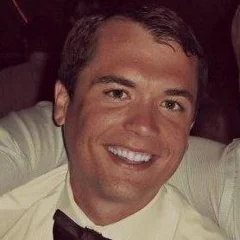
Bobby Eaton, Director, National Painting Partners. Bobby leads NPP’s multi-location painting programs, including rebrands, bank branch conversions and national rollouts, and answers vendor questionnaires and RFPs for them. LinkedIn
Updated November 2026. Program numbers from NPP project records as of November 2026.
Send Us Your RFP
Send your RFP, vendor questionnaire or site list. We will answer every question and come back with a pilot plan and per-site pricing.
Or call (219) 946-4677 · sales@natpainting.com